
Initiatives to implement fast-action
“Fast-action” includes regulatory measures that can begin within 2–3 years, be substantially implemented in 5–10 years, and produce a climate response within decades. It’s the only way to keep the 1.5 °C guardrail in sight.
Why Fast Mitigation Matters?
The fastest and most effective climate strategy is to combine the marathon to reduce carbon dioxide emissions with the sprint to rapidly cut non-CO2 super pollutants.

Strategies targeting super pollutant reductions can avoid 4 times more warming at 2050 than targeting CO2 alone.

Reducing HFCs can avoid nearly 0.1 °C of warming by 2050 and up to 0.5 °C by the end of the century.

Cutting methane emissions can avoid nearly 0.3 °C by the 2040s and more from emerging technologies to remove atmospheric methane.

Combining fast mitigation with decarbonization would reduce the rate of global warming by half from 2030 to 2050.
News & Updates
Stay up-to-date with the latest news, events, and policy developments.

8 April 2026 – Over the past two years, three advisory opinions on climate change clarified state obligations under international law: the International Tribunal for the Law of the Sea Advisory Opinion on Climate Change and the Law of the Sea (May, 2024); the Inter-American Court of Human Rights Advisory Opinion OC-32/25 on Human Rights […]
News News & Updates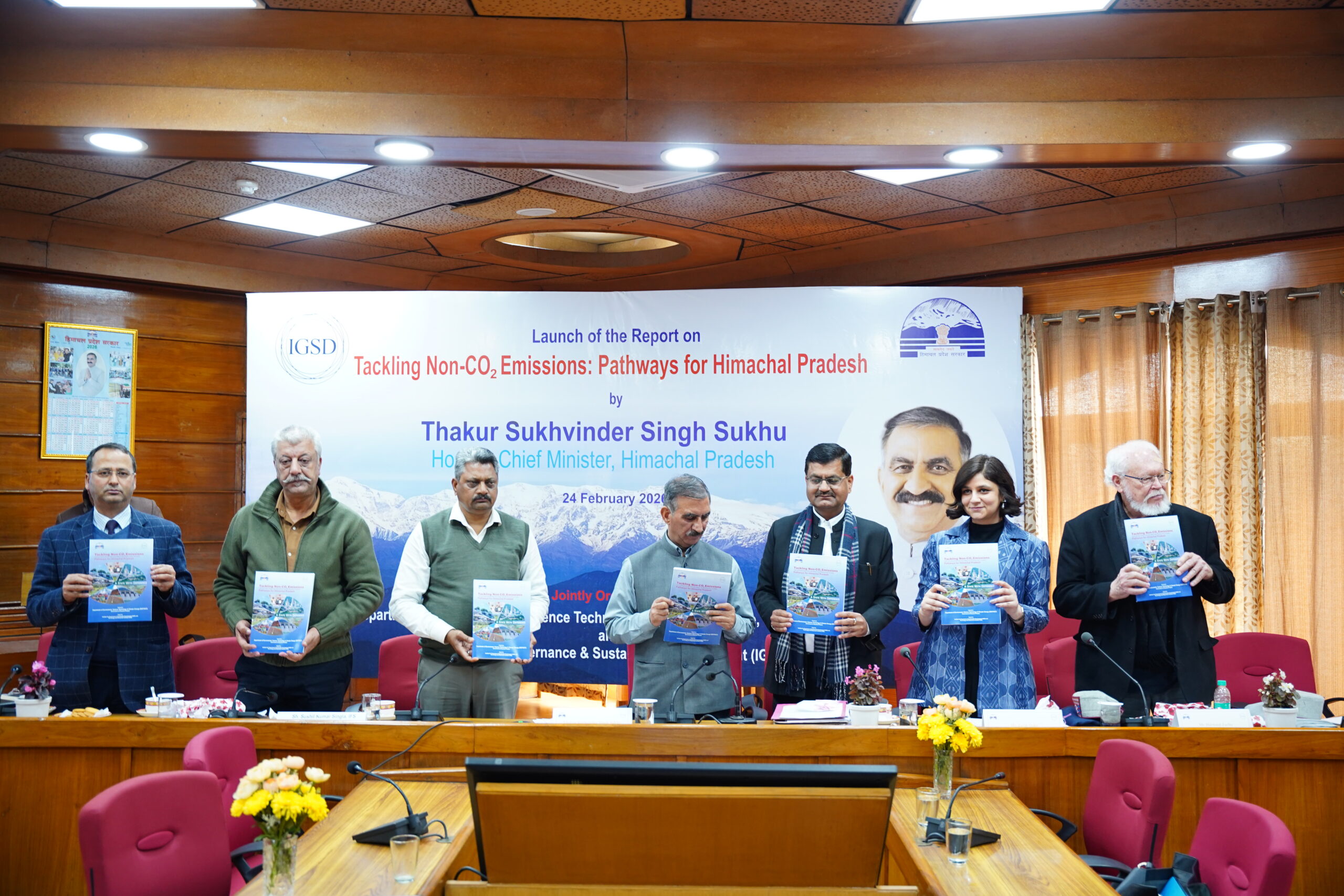
On 24 February 2026, the Government of Himachal Pradesh launched the state’s first comprehensive emissions assessment and policy roadmap to tackle short-lived climate pollutants (SLCPs) and other non-CO₂ emissions, in a ceremony held in Shimla. The report, Tackling Non-CO₂ Emissions: Pathways for Himachal Pradesh, establishes a 2019 emissions baseline and models sector-specific pathways through 2047. The report […]
News
On 26 November 2025, the Chinese government launched the Industry–Academia–Research Alliance for Controlling Industrial-Sector Nitrous Oxide (N2O) Emissions in Beijing. The National Center for Climate Strategy and International Cooperation (under the China Ministry of Ecology and Environment) initiated the Alliance, together with the China Nitrogen Fertilizer Industry Association, the China Chemical Energy Conservation Technology Association, […]
Briefings News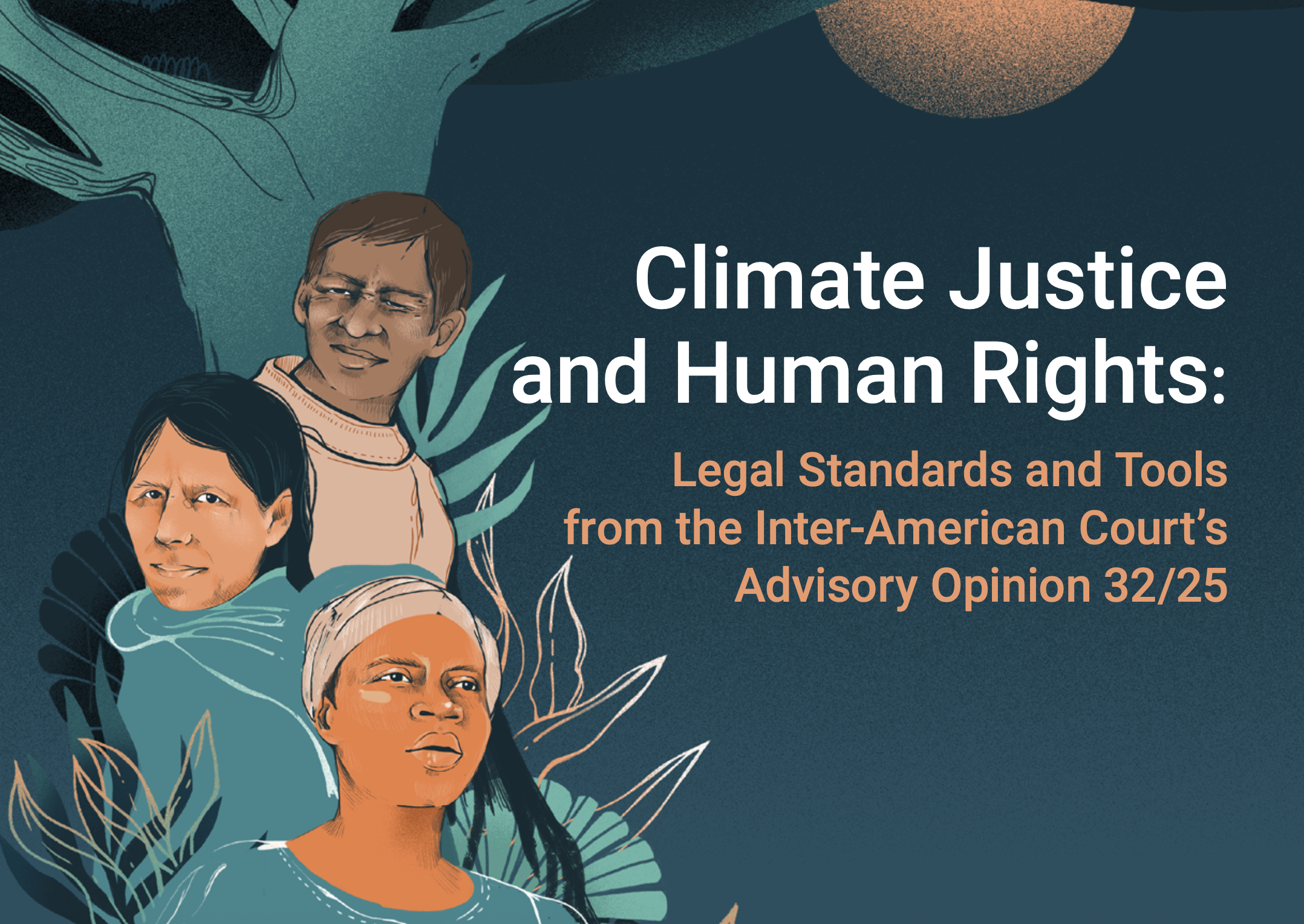
Washington, D.C., 3 November 2025 — Irreversible climate destruction is a peremptory violation of international law. This unprecedented legal determination, alongside the explicit recognition of the right to a healthy climate and Nature as a subject of rights, is among the conclusions highlighted in the new publication, Climate Justice and Human Rights: Legal Standards and […]
News
3 November 2025 – Today, China submitted its 2035 Nationally Determined Contribution (NDC) to the United Nations Framework Convention on Climate Change. The submission reaffirms China’s 2035 NDC targets as announced by President Xi Jinping at the United Nations Climate Summit in September 2025. Additionally, it lists specific quantitative targets on non-CO2 GHGs. Key quantitative […]
Briefings News
On October 29, 2025, China’s Ministry of Ecology and Environment (MEE) held its monthly press conference. Against the backdrop of the upcoming 30th Conference of the Parties (COP30) to the United Nations Framework Convention on Climate Change (UNFCCC), MEE stated that China will play a constructive role and support Brazil COP30 presidency. MEE noted that […]
Briefings News
20 October 2025 – Montreal Protocol insiders and scholars from Brazil, China, Costa Rica, Ghana, and the United States have authored a new paper documenting that faster phasedown of hydrofluorocarbons (HFCs) to help avert near-term climate tipping points will cost less than the existing schedule. The paper, HFC Phasedown Under the Kigali Amendment to the […]
News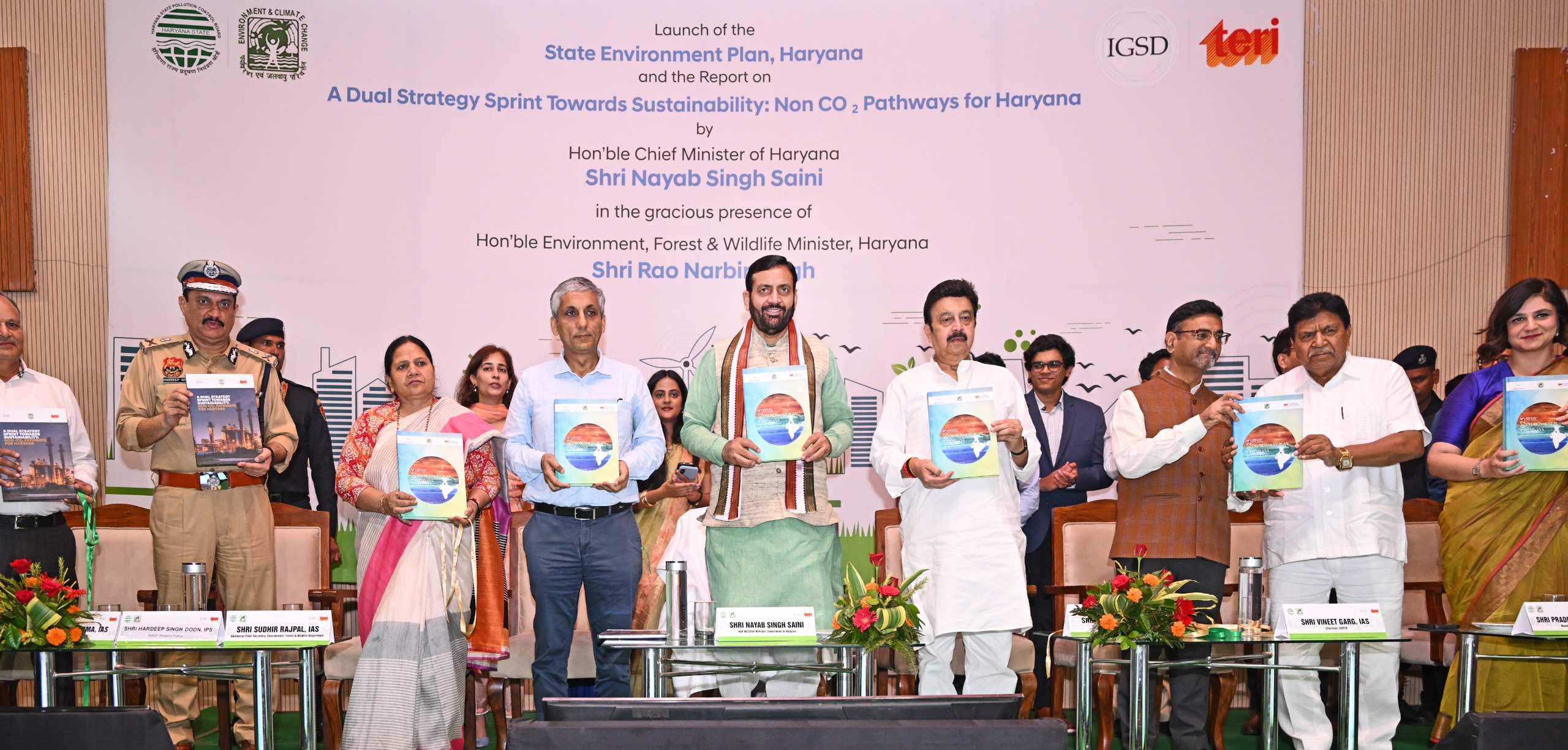
1 October 2025 – On 16 September 2025, Haryana Chief Minister Shri Nayab Singh Saini unveiled the new State Environment Plan (SEP), released in Panchkula, Haryana, which offers a complete analysis of the state’s environmental landscape. The plan covers areas like agriculture, waste management, transportation, air and noise pollution, as well as biodiversity. The SEP […]
News
New York, 28 September 2025 – The Climate & Clean Air Coalition’s methane forum, co-hosted with Michael Bloomberg, was one of the most important meetings of Climate Week 2025. Ministers and current and former heads of State urged the world to take faster action to cut methane emissions to slow near-term warming. The call for […]
News
16 September 2025 – Today, on the occasion of the United Nations International Day for the Preservation of the Ozone Layer, IGSD, in collaboration with the Planetary Guardians Initiative, Plus Wonder, and others, released a report describing how the stratospheric ozone layer recovered from the danger zone through swift action under the Montreal Protocol on […]
News
16 September 2025 – In celebration of the United Nations International Ozone Day, the Institute for Governance & Sustainable Development (IGSD) and the Mobile Air Climate Systems Association (MACS) released a 100-page history of automotive leadership in air conditioning and heating technology that protects the stratospheric ozone layer and climate. The history also includes a […]
News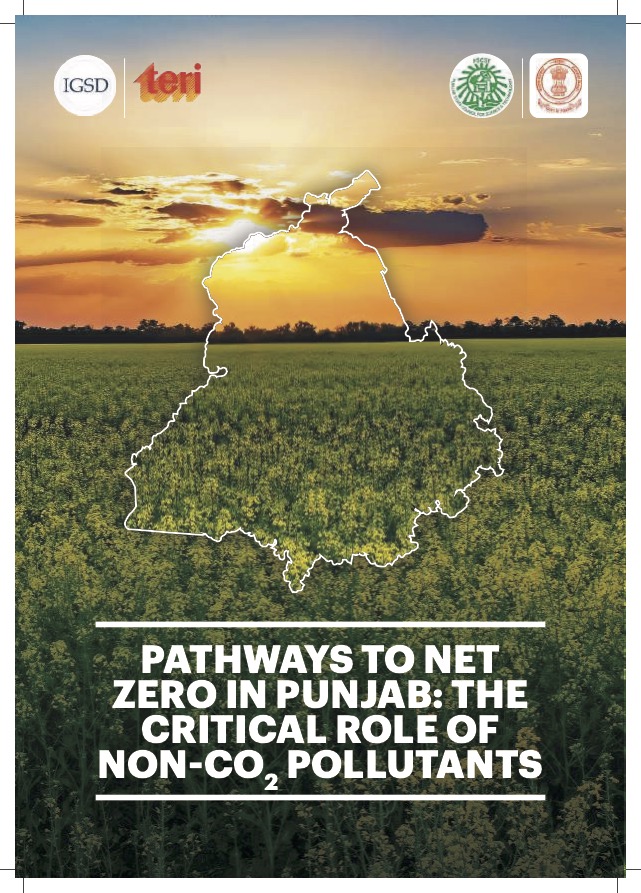
On World Environment Day, the Indian state of Punjab published Pathways to Net Zero in Punjab: The Critical Role of Non-CO₂ Pollutants, a groundbreaking report signaling a shift toward comprehensive climate action. The report, collaboratively developed by the Punjab State Council for Science & Technology, the Institute for Governance & Sustainable Development, and The Energy […]
NewsPublications
The latest climate science for directing, organizing, and promoting efforts critical to scaling up fast mitigation solutions.

Discover our Media Resources
Advancing broader global recognition of the climate emergency and the importance of reducing methane, HFCs, and the package of super pollutants as the best strategy to reduce near-term warming